68kMLA Classic Interface
This is a version of the 68kMLA forums for viewing on your favorite old mac. Visitors on modern platforms may prefer the main site.
| Click here to select a new forum. | |
| Bitcoin Mining on Mac Classic | |
Posted by: adespoton on 2026-01-31 17:45:29Good questions!In my view, Haiku with AMS or MACE running in it would tick all the boxes. Assuming Haiku could be made to run on older PPC Macs as well as Intel and ARM systems. | |
Posted by: CC_333 on 2026-01-31 18:25:12You mean like this?Basically, yes! But itself running on an as-yet hypothetical OS with a Mac OS-like UI and all that other stuff I already mentioned. In my view, Haiku with AMS or MACE running in it would tick all the boxes. Assuming Haiku could be made to run on older PPC Macs as well as Intel and ARM systems.That would be interesting indeed. As I'm typing this post, I realized that A/UX is conceptually very similar to what I'm describing (being able to run standard Mac OS applications within the Unix-based environment with a pretty Mac OS-like UI). Too bad the rumored PPC-ready A/UX 4 was never released, as that probably would've been it pretty much. c | |
| Posted by: joshc on 2026-02-01 06:31:14 I would've been happy if Classic Environment remained in macOS, it wasn't perfect but it did run most applications just fine. I completely understand why they didn't keep it in, but it's a shame it couldn't have been open sourced/shipped off to someone else to look after. | |
| Posted by: robin-fo on 2026-02-01 06:38:30 I wonder how difficult it would have been to port it to intel | |
Posted by: jjuran on 2026-02-01 07:54:20I would've been happy if Classic Environment remained in macOS, it wasn't perfect but it did run most applications just fine. I completely understand why they didn't keep it in, but it's a shame it couldn't have been open sourced/shipped off to someone else to look after. At the first MacHack I attended, the keynote speaker was Eric Raymond, touting the benefits of open source. At the "Apple Handshake" session, I inquired about the possibility of releasing the code of HyperCard, only to be met with this dismissal from Steven Glass: "Open source will not be a dumping ground for dead products." This article may shed some light here: https://www.loper-os.org/?p=568 | |
Posted by: joshc on 2026-02-01 08:14:30the possibility of releasing the code of HyperCardThe HyperCard code was released to CHM at the same time they got MacPaint and QuickDraw. 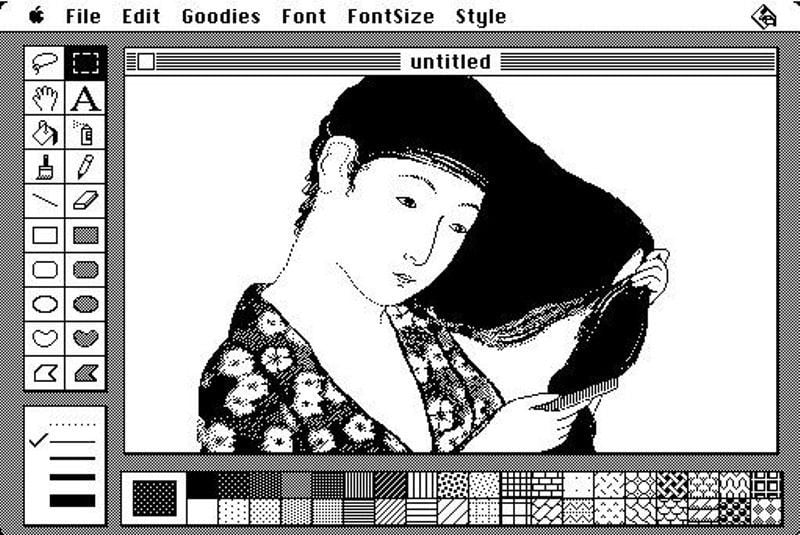
MacPaint and QuickDraw Source CodeThe Apple Macintosh combined brilliant design in hardware and in software. The drawing program MacPaint, which was released with the computer in January of 1984, was an example of that brilliance both in what it did, and in how it was implemented.
 computerhistory.org
But for some reason they didn't release the HyperCard code. There's a comment on the CHM page that says: During an HyperCard 25th anniversary event in 2013, Bill Atkinson mentioned that the HyperCard source code was also donated to CHM at the same time as MacPaint/Quickdraw but he didn't know why it hidden't been released publicly like these two were. I'd like to know why as well. | |
Posted by: jjuran on 2026-02-01 09:10:16The HyperCard code was released to CHM at the same time they got MacPaint and QuickDraw. Please forgive the semantic digression that follows. MacPaint and QuickDraw weren't released — they were exhibited. (If the distinction is unclear, ask any resident of a zoo.) The QuickDraw code is not free, at least not in any way that benefits me or my users. I don't ever look at it, for fear of compromising the intellectual independence of my own implementation of QuickDraw for Advanced Mac Substitute. As a consequence, exactly matching the original behavior is a steeper and more circuitous path than it needs to be, and I haven't yet managed to do so in all cases. The HyperCard code wasn't even exhibited. It was merely transferred. | |
Posted by: robin-fo on 2026-02-01 09:23:50If the distinction is unclear, ask any resident of a zoo🤣 | |
| < 4 |